School Visits
Visit Times
School visits are available Monday-Thursday, between 9am–4pm.
Email Beth at education@thomascole.org with questions.
Choose your tour
Tour: 45 minutes
Tour with activity: 75 minutes
Thomas Cole: Artist, Writer, and Early Environmentalist
Best for: All Classes, Grades K-12
How can we use many tools to express our ideas?
In this tour, students learn about Thomas Cole’s life from his upbringing in the Industrial Revolution to his landscape painting career in the Catskill Mountains, as they tour through the historic house that he lived in and the studio where he painted for over seven years.
The Creative Process
Best for: Art and Art History Classes, Grades K-12
How do we create art from our experiences in nature?
In this tour, students learn about the artistic processes of the household’s artists, Thomas Cole, Sarah Cole, and Emily Cole. From closely observing and sketching nature, mixing minerals and plants to create paint, to firing ceramic porcelain, and creating landscape compositions.
Contemporary Art & Landscape
Best for: Art and Art History Classes, Grades K-12
What is a landscape?
By looking closely at art by Thomas Cole and contemporary artists in our special exhibitions, students will explore what defines landscape art, and how artists across centuries respond to nature and landscape. This tour is available with special exhibitions featuring contemporary artworks. Browse our exhibition page to discover what’s on view.
The Historic Household
Best for: Art and Art History Classes, Grades K-12
What was daily life like in the 19th century?
In this tour, students learn about the household of 11-14 people who made the artist’s life possible. The histories of these individuals shed light on the topics of slavery, mental health, women’s rights, immigration, and more. This tour may be scaled appropriately for different grade levels. Browse our Historic Household page to learn more.
Hands-On Activities
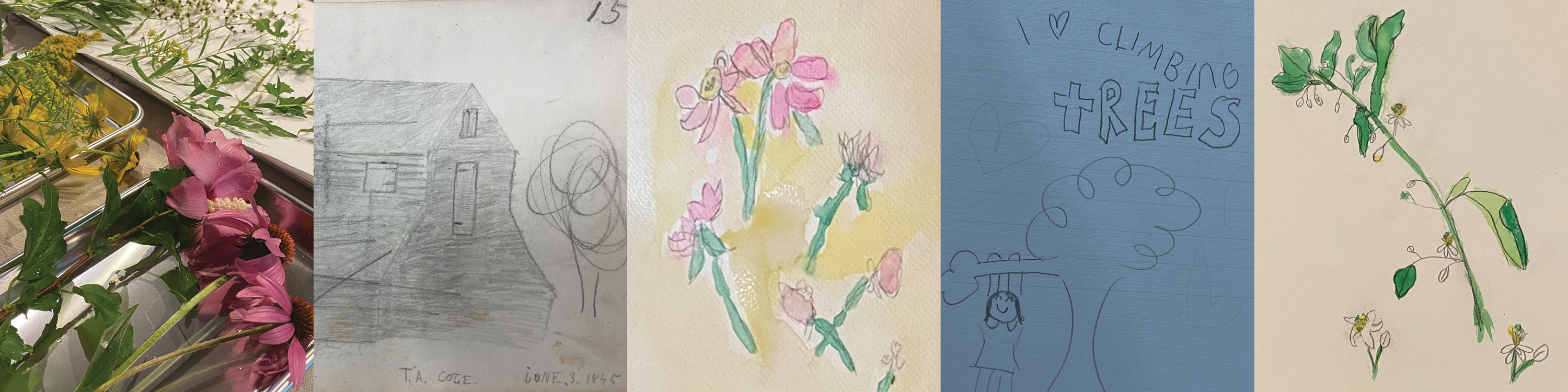
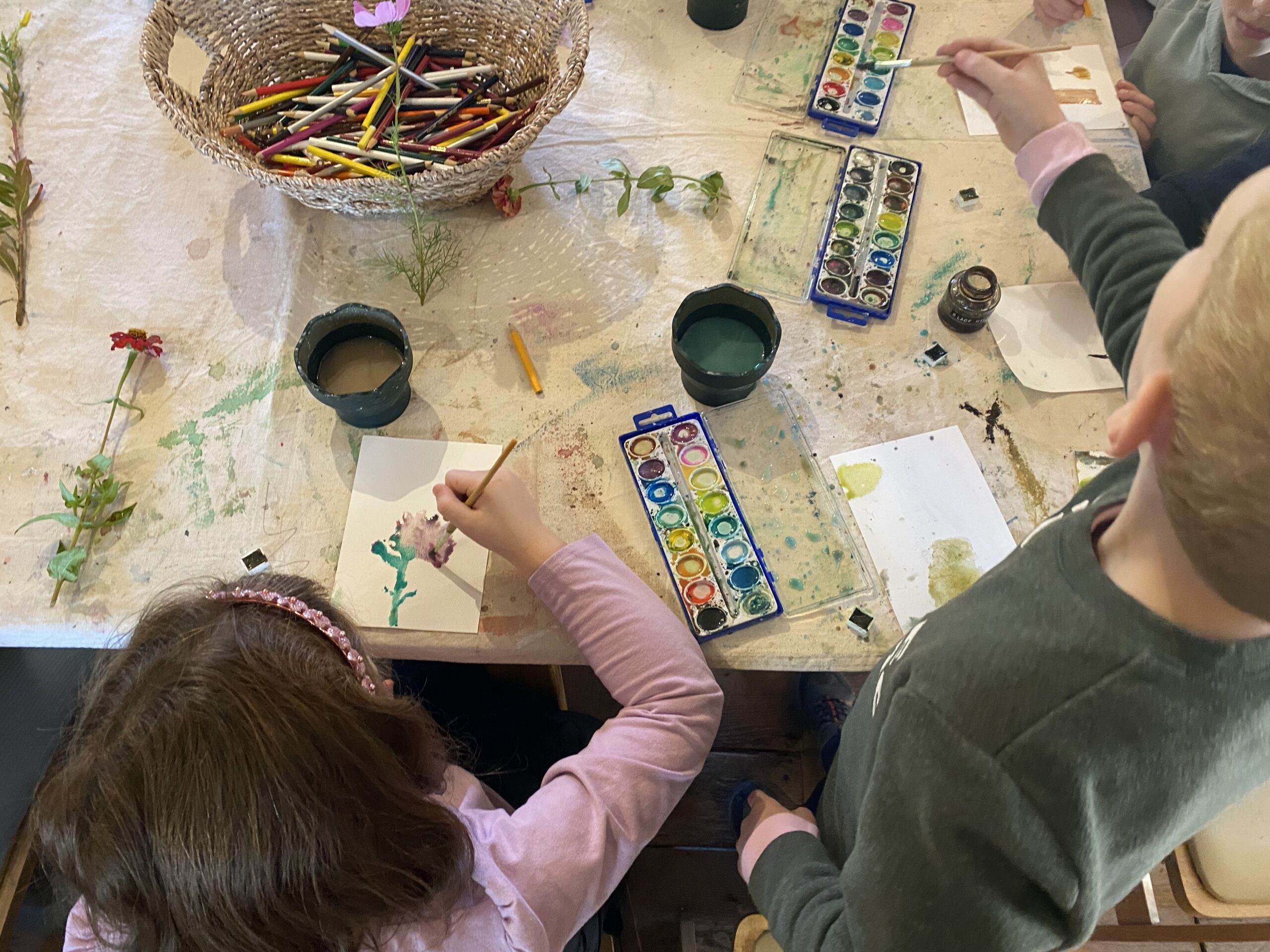
Make art at the historic site inspired by landscape, exhibition themes, and aligned with K-12 curriculum. Click the button below to view our full list of activity descriptions and curriculum alignments.
Explore the Historic House, Art Galleries & Gardens
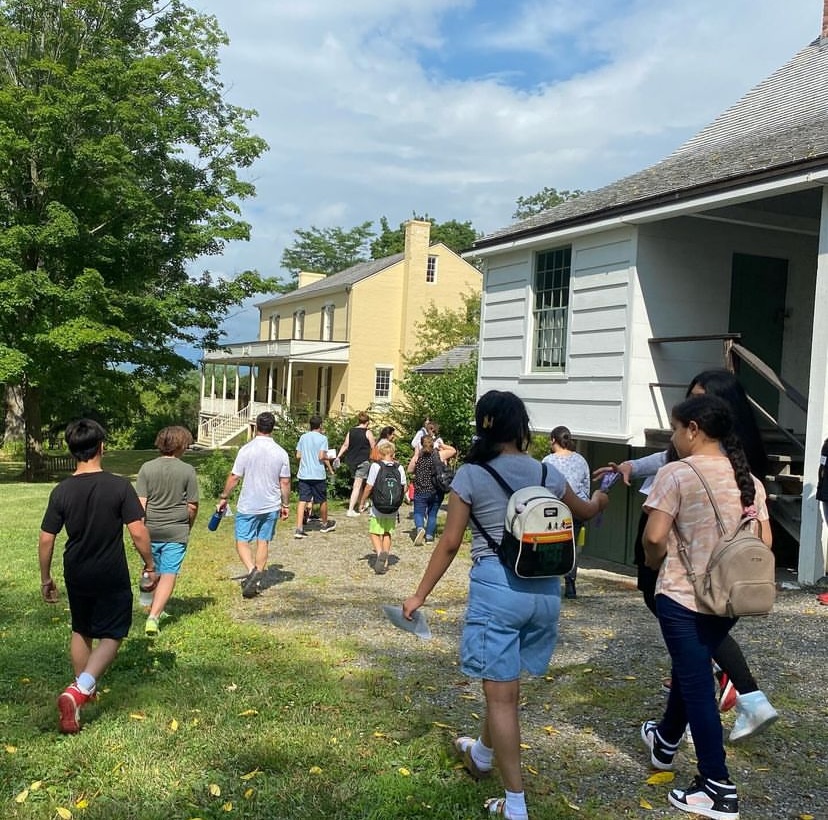
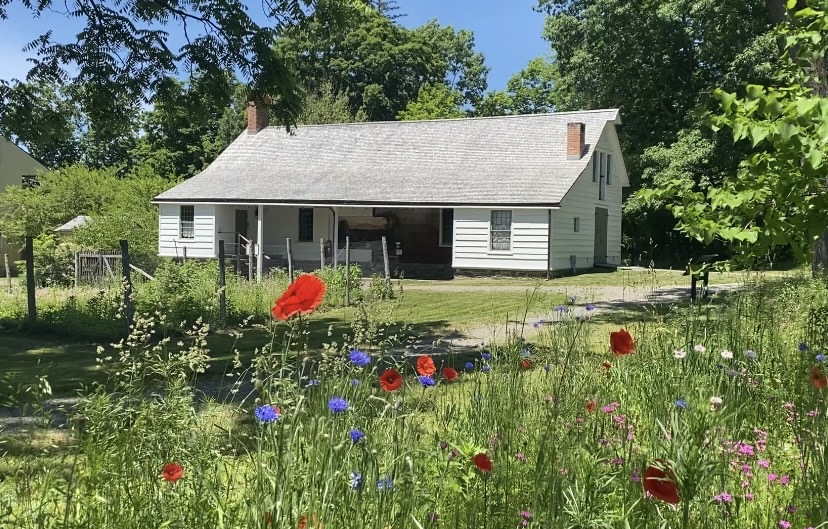
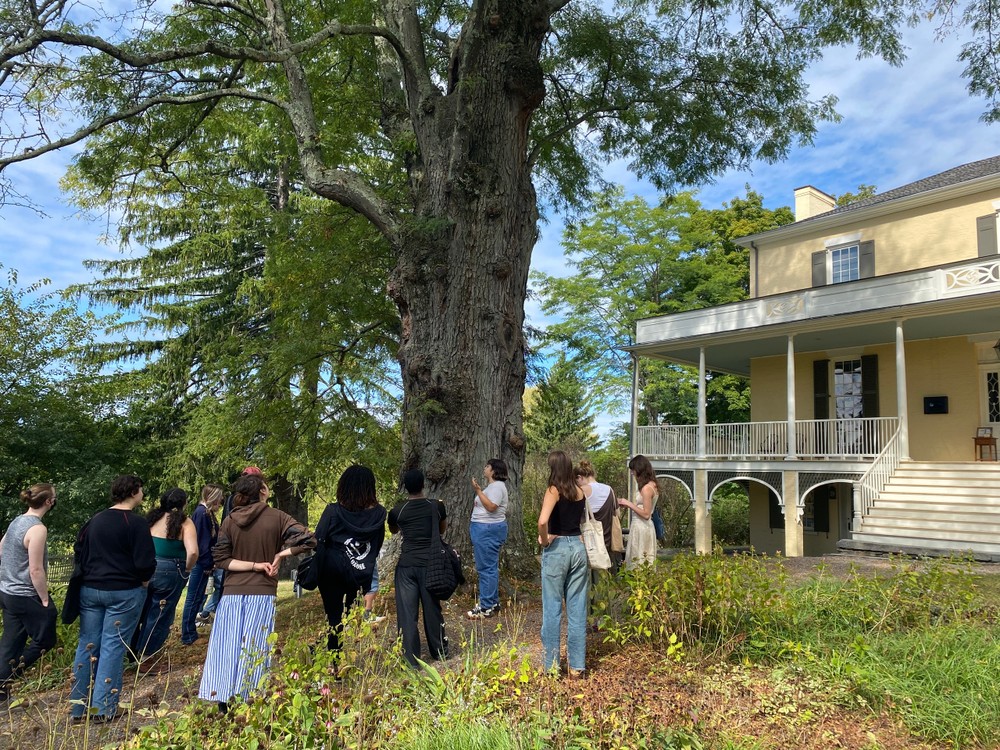
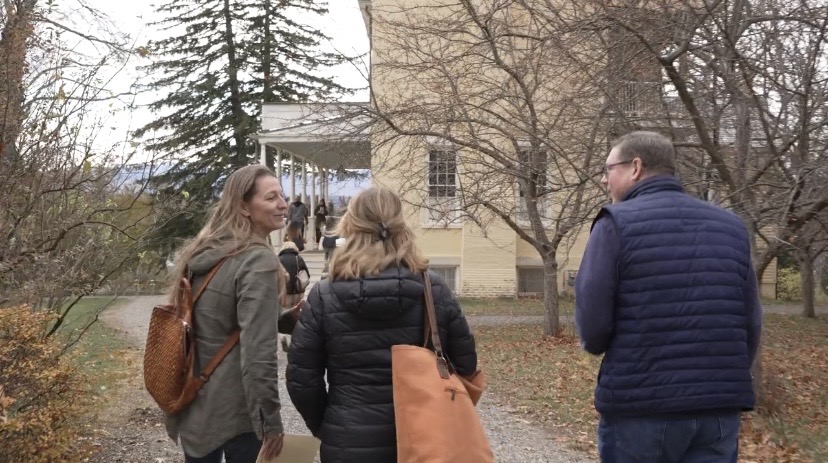
Classes tour the historic house where Thomas Cole lived, the studios where he made art, and learn from original artworks on the historic campus.
Close Looking at Art & Nature
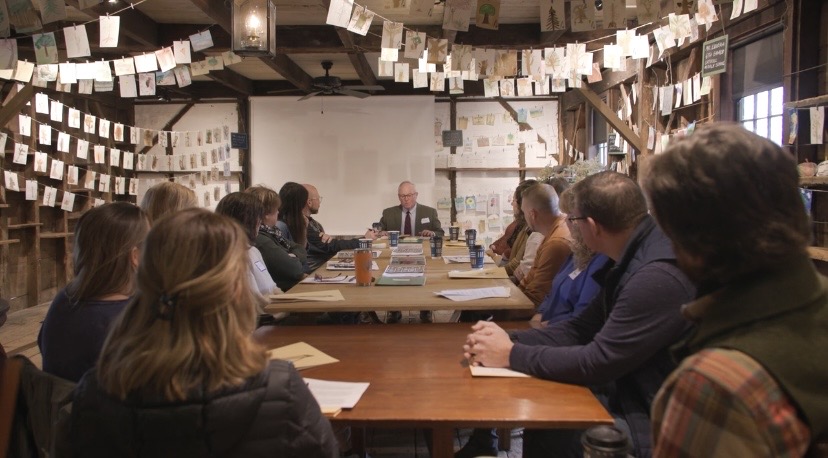
Connect students with history, art, and the environment through visual analysis.
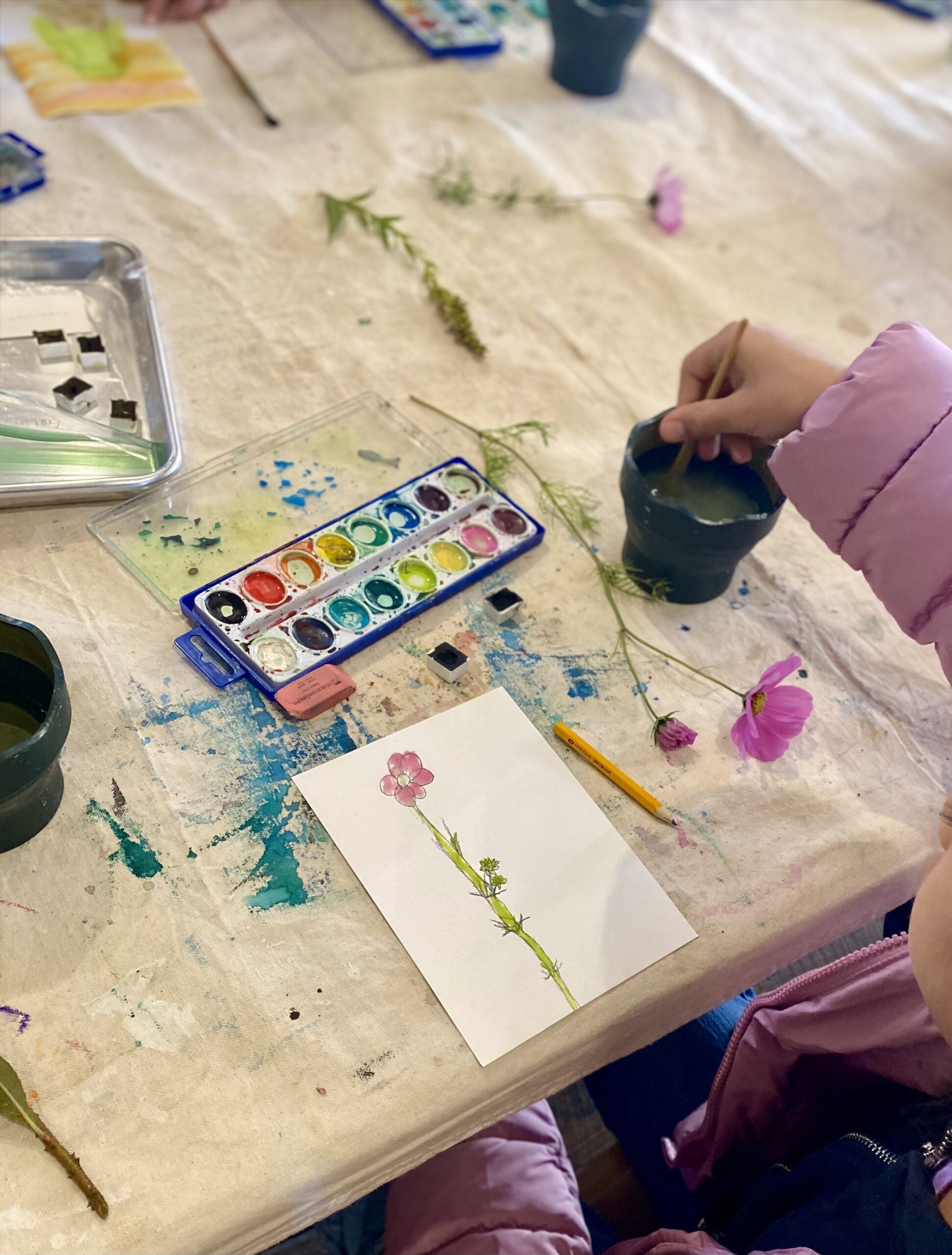
Hands-On Activities
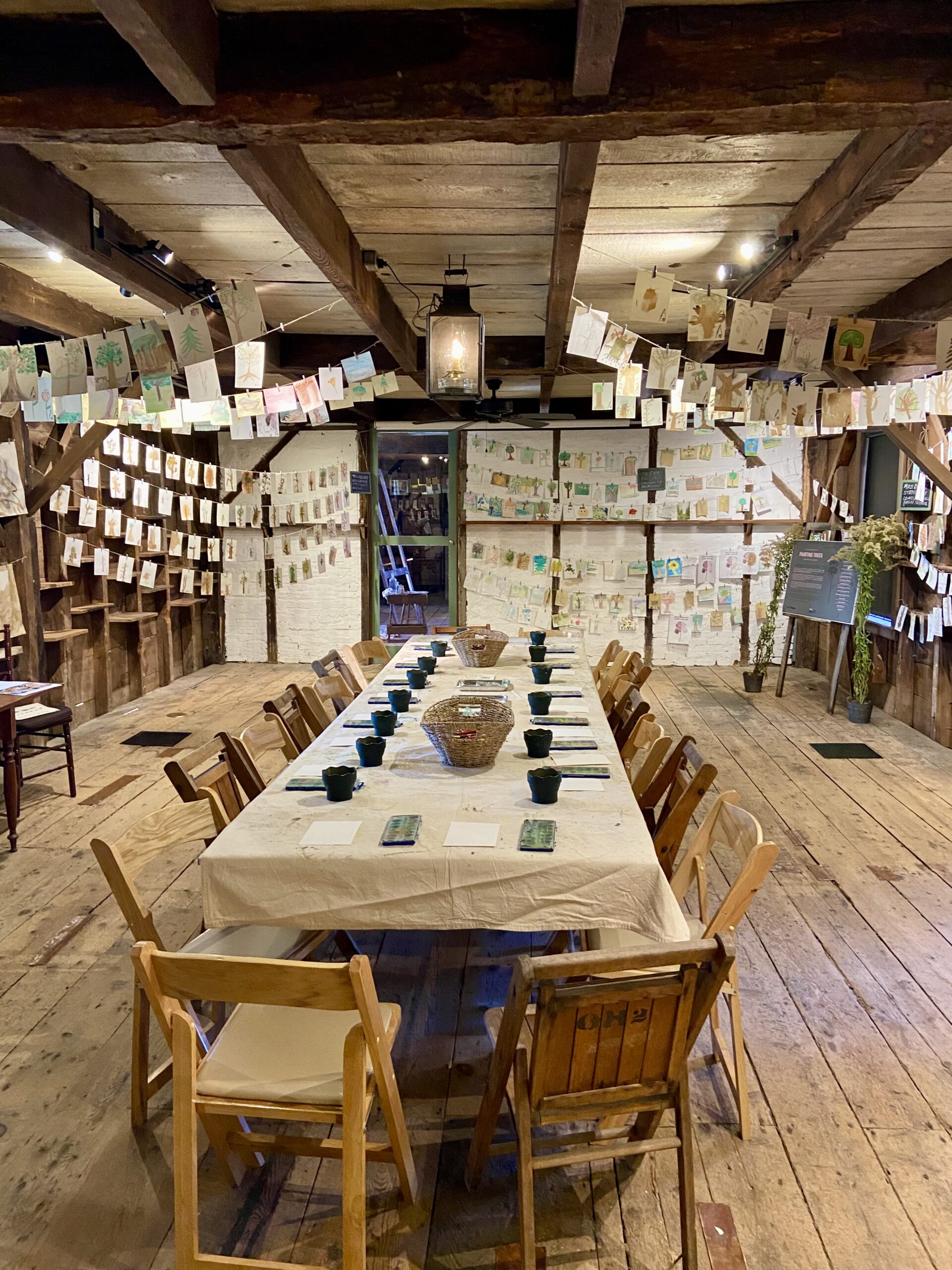
Make art aligned with K-12 curriculum in our new Storehouse Activity Space.
Student Art Exhibitions
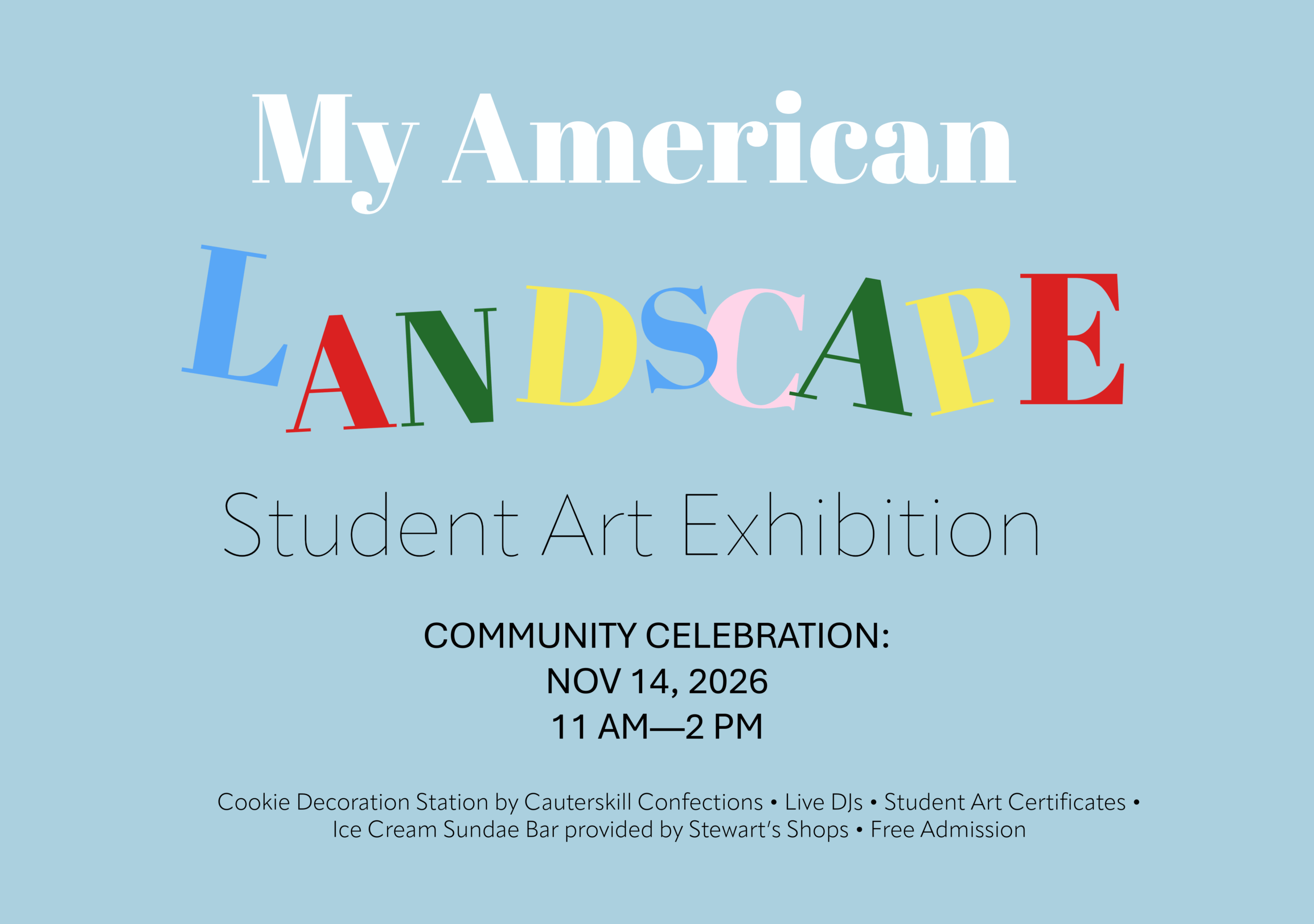
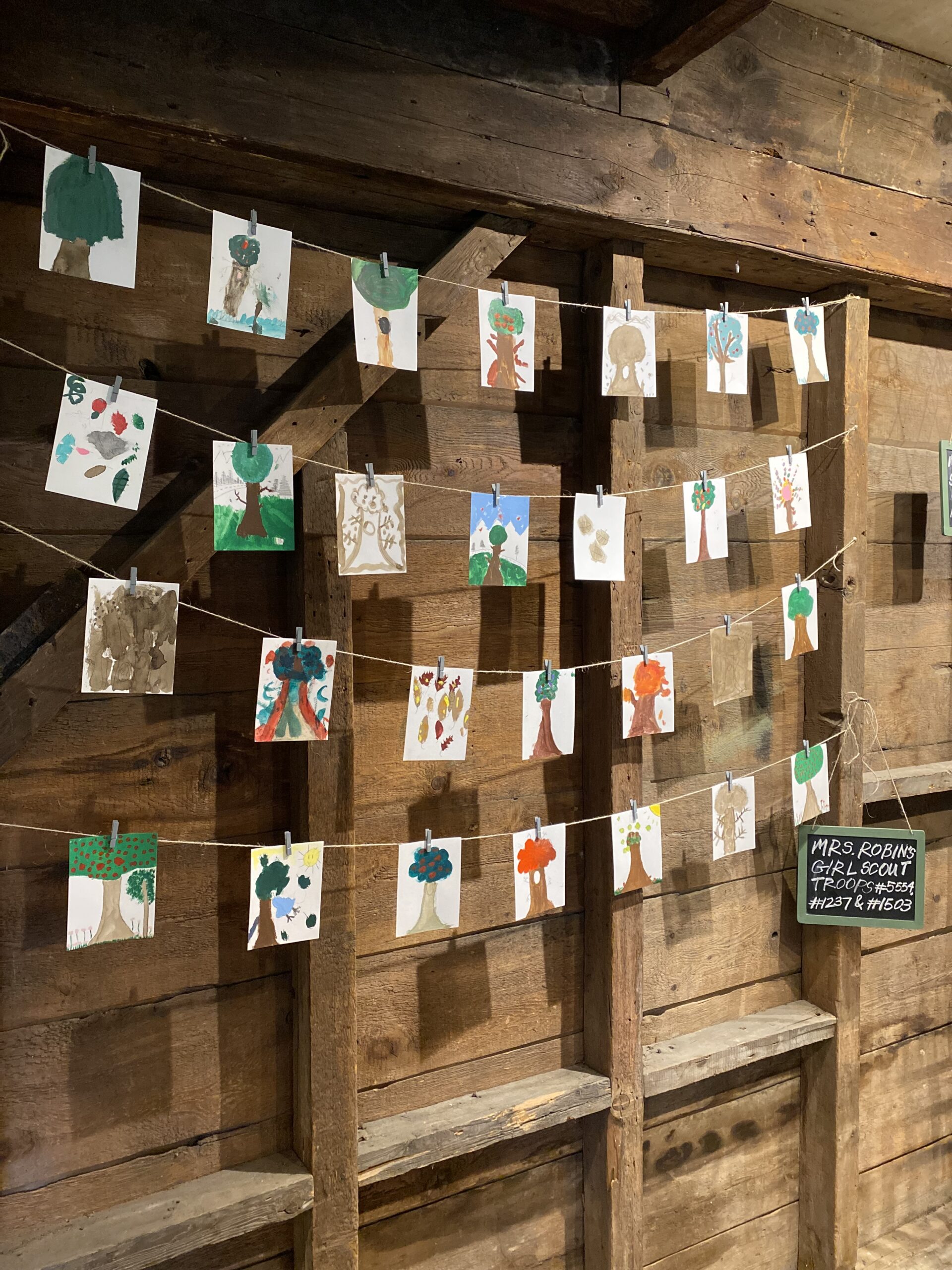
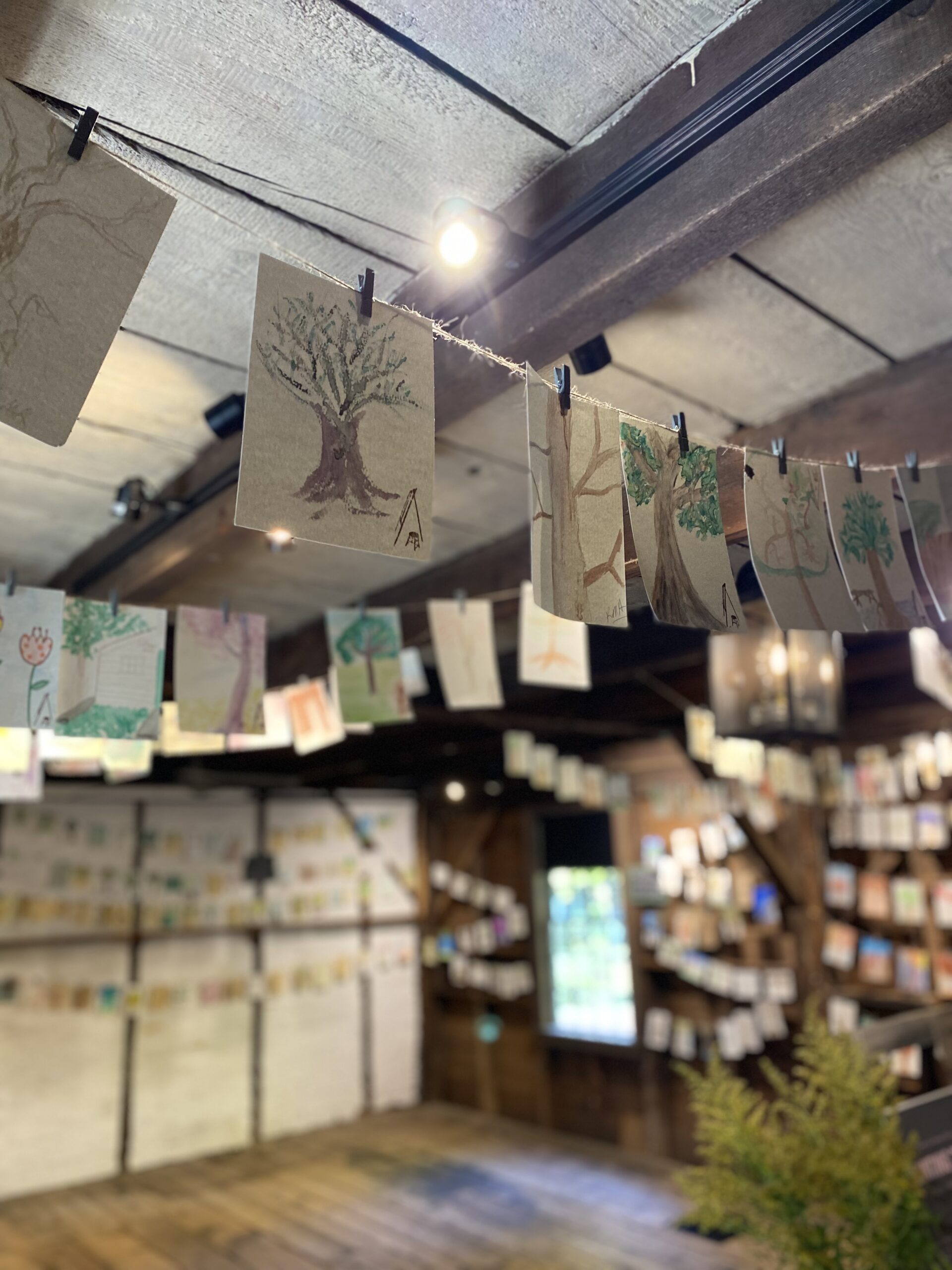
Classes are invited to display art at the historic site inspired by special exhibitions. Reach out to education@thomascole.org to involve your class in this year’s student exhibition, My American Landscape. A free, family-friendly reception will take place on Saturday, November 14th from 11am–2pm.
Pricing
$10/K-12 student
$5/student for additional activity fee (if selected)
Free/8 chaperones; additional chaperones must pay a $10 visit fee
Public school students in Columbia and Greene County receive free admission
For college/university rates, please click here.
Please note that school group rates are only available when scheduled in advance.
Chaperone Policy
We kindly require at least 1 chaperone attend for every 5 students. All chaperones must be at least 18 years old.
Number of Students
How We Lead
We use artworks as a jumping off point to have complex conversations about environmental science, technology, history, ideas related to progress, our relationship to land, and more curriculum topics.
Honing our skills as artists, writers, and environmentalists allow us to become better thinkers, communicators, observers, collaborators, and makers of change. We believe that memorizing dates and names is less useful than understanding history and our world today through discussion and creation; for students, the experience of seeing, making, and talking about art will aid them for the rest of their lives, in and out of school.
Artmaking and engaging in conversations about art helps to develop important skills (like collaboration, creativity and visual literacy) that can be used across all disciplines.
In our work with students, we focus on Thomas Cole’s work as an artist, writer, and early environmentalist. We believe that concentrating on these three identities helps students understand that myriad worldviews, tools, and identities are useful in understanding, communicating in, and creating change in the world.
Learning to look closely at art can deepen students’ observation skills and learning comprehension of classroom topics.
We use visual thinking strategies to encourage open discussions about art and to build students’ personal connections to subjects affecting our world today. Tours are highly student-centered, incorporating group discussion, movement, and inquiry.
Before Your Visit
Pre-Visit Materials
Grades K – 4
We teamed up with beloved children’s book author and illustrator Hudson Talbott to present Thomas Cole’s illustrated story online for free. The story introduces young children to Thomas Cole, the 19th-century artist and founder of America’s first major art movement. The story follows Cole’s ups and downs as an economic migrant displaced by the Industrial Revolution in England who fell in love with the American wilderness and advocated for the preservation of this nation’s landscapes.
Grades 5-12
Once you have booked your visit, please consider downloading our “Pre-Visit Packet” which orients students grades 5-12 to Thomas Cole, his home, and the ideas that mattered to him.
Teacher Resources
Made possible with the generous support of the Warner Foundation
Supported in part by the New York State Council on the Arts with the support of the Office of the Governor and the New York State Legislature.
Additional support provided by Susan Ball & John Brigham, Patti Hanson, Richard & Elizabeth Mason, Nina Matis & Alan Gosule and Alan C. Wanzenberg.
The Program Endowment that supports educational programs at the Thomas Cole National Historic Site has been made possible in part by a major grant from the National Endowment for the Humanities: Exploring the human endeavor. Any views, findings, conclusions or recommendations expressed in this the programs do not necessarily represent those of the National Endowment for the Humanities.